Bathroom Wall Patching in Conroe, TX
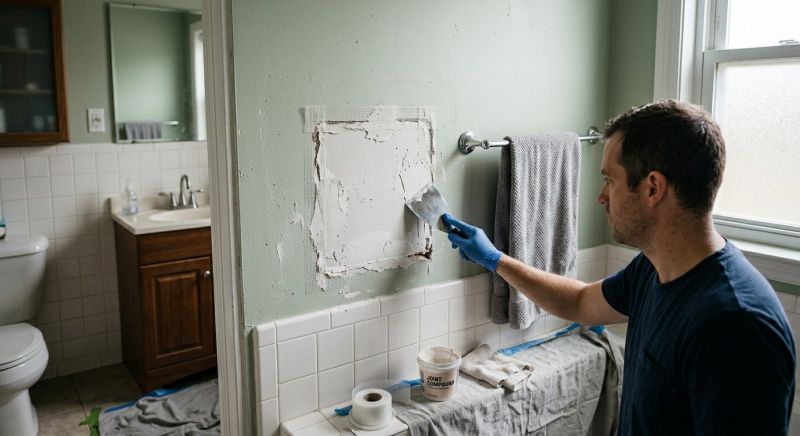
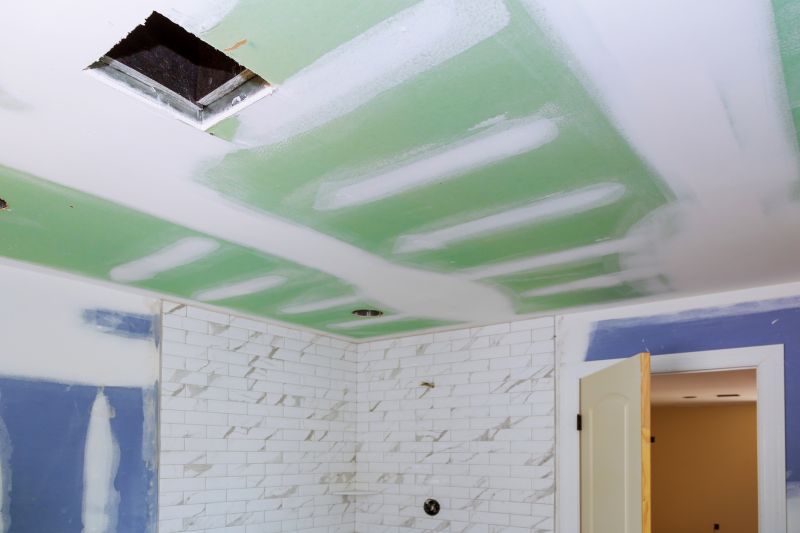
Bathroom wall patching services involve repairing damaged or deteriorated sections of bathroom walls to restore their appearance and structural integrity. This service covers a variety of projects, including fixing holes from fixtures or accidents, repairing water damage, smoothing out cracks, and addressing surface imperfections caused by wear and tear. Property owners typically request wall patching to improve the overall look of the bathroom, prevent further damage, and prepare surfaces for repainting or retiling.
Before requesting bathroom wall patching, property owners should consider the extent of the damage and whether it involves underlying issues such as water leaks or mold. Clear communication about the size and location of the damaged areas helps ensure the repair work is appropriately planned. Additionally, understanding the type of wall material-such as drywall, tile, or plaster-can influence the repair approach and materials used, leading to a more durable and seamless result.
Many property owners in Conroe, TX look into Bathroom Wall Patching for repairs, replacements, upgrades, and appearance-related improvements.
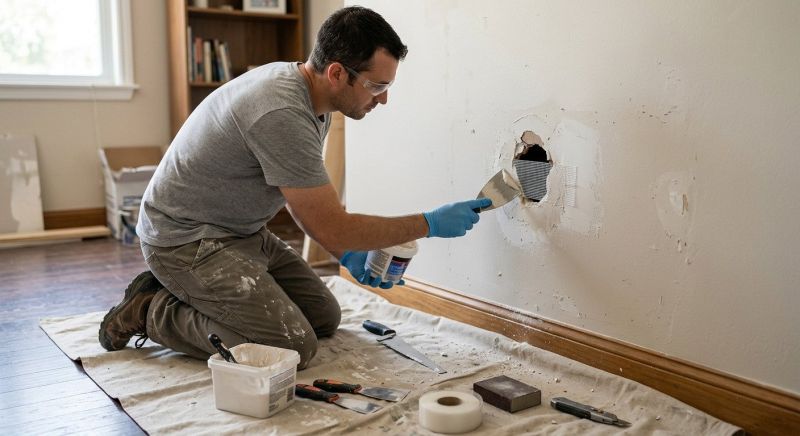
Common Wall Damage Repairs
Bathroom walls often need patching due to moisture, impacts, or minor cracks.
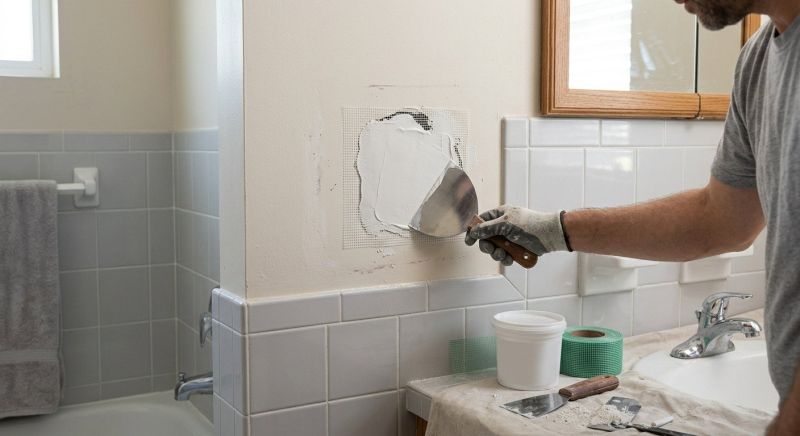
Seamless Wall Restoration
Proper patching ensures smooth surfaces that blend with existing bathroom walls.
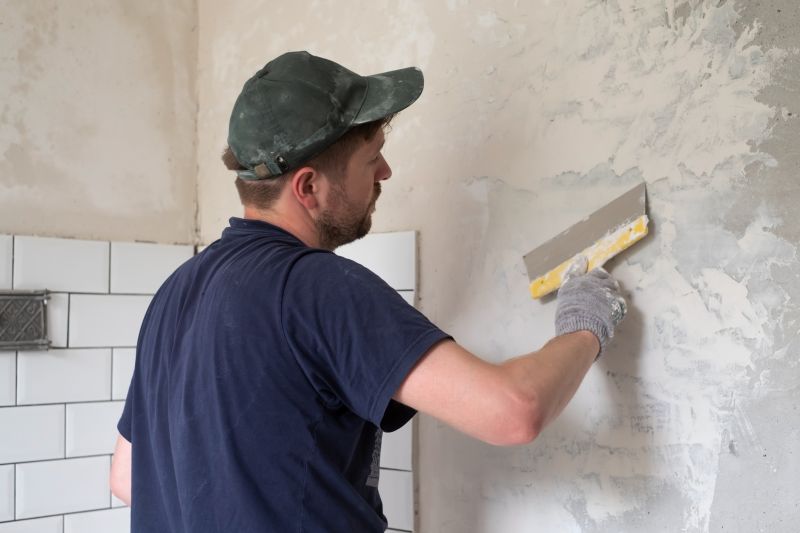
Preparation For Finishing Touches
Patching creates a solid base for painting, tiling, or other decorative finishes in conroe homes.
Bathroom Wall Patching in Conroe, TX
Bathroom wall patching services involve repairing damaged or deteriorated sections of bathroom walls to restore their appearance and structural integrity. This service covers a variety of projects, including fixing holes from fixtures or accidents, repairing water damage, smoothing out cracks, and addressing surface imperfections caused by wear and tear. Property owners typically request wall patching to improve the overall look of the bathroom, prevent further damage, and prepare surfaces for repainting or retiling.
Before requesting bathroom wall patching, property owners should consider the extent of the damage and whether it involves underlying issues such as water leaks or mold. Clear communication about the size and location of the damaged areas helps ensure the repair work is appropriately planned. Additionally, understanding the type of wall material-such as drywall, tile, or plaster-can influence the repair approach and materials used, leading to a more durable and seamless result.
Many property owners in Conroe, TX look into Bathroom Wall Patching for repairs, replacements, upgrades, and appearance-related improvements.
Common Bathroom Wall Patching Jobs
Bathroom wall patching - repairs holes, cracks, and damage to bathroom drywall and surfaces.
Small repair projects - fixes minor dents, chips, and surface imperfections on bathroom walls.
Water damage restoration - addresses damage caused by leaks or moisture to restore wall integrity.
Mold and mildew removal - prepares walls for patching after mold or mildew issues are resolved.
Surface refinishing - smooths and prepares walls for painting or finishing after patching.
Crack and seam repair - seals and repairs cracks or seams in bathroom wall surfaces for a seamless look.
Bathroom Wall Patching Questions
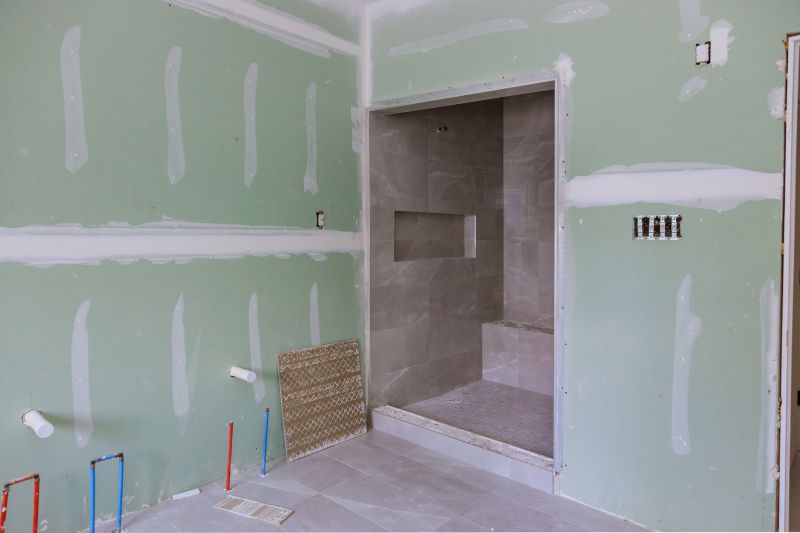
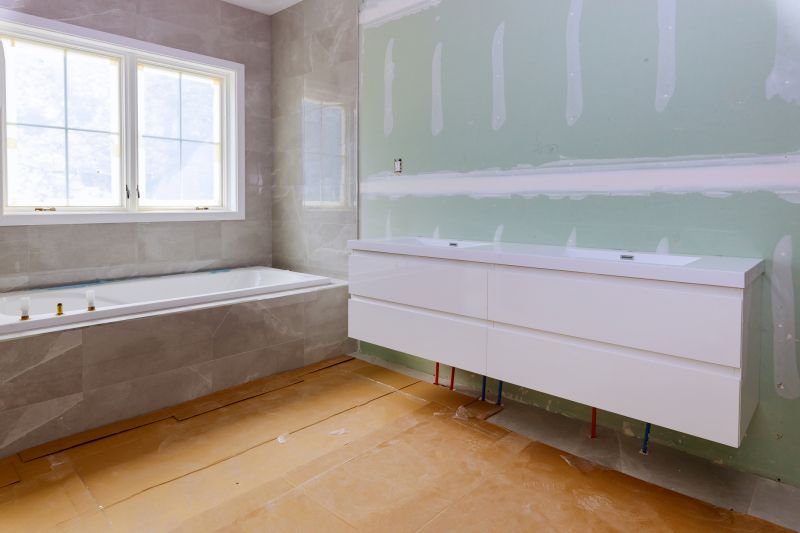
What types of wall damage can be patched in a bathroom? Common issues include holes, cracks, and water stains that require smoothing and repair to restore wall integrity.
Is wall patching suitable for tiled bathroom areas? Yes, patching can address damaged drywall behind tiles or repair areas where tiles have been removed or broken.
What materials are used for bathroom wall patching? Patching typically involves joint compound, patching mesh or putty, and sanding to achieve a seamless finish.
Can wall patching improve the appearance of bathroom walls? Yes, proper patching can restore a smooth, even surface that enhances the overall look of the space.
Request Bathroom Wall Patching in Conroe, TX
Use the quote form on this page to share the basics of your project and request more information for the type of work you need.